Discover Indoor Pickleball at Era Pickleball Centers
From the first time I stepped onto an Era Pickleball court, the atmosphere felt different in a way that whole gym memberships rarely do. It wasn’t just the bright lights, the squeak of sneakers on polished resin, or the crisp ping of a well struck ball. It was the sense that the space had been built with players in mind, from the height and texture of the court lines to the acoustics that keep chatter focused on the action rather than the walls. Indoor pickleball at Era Pickleball Centers isn’t merely a hobby option or a seasonal pastime. It’s a living, breathing community that happens to revolve around a sport I have watched evolve from a casual backyard fling into a serious, multi-generational pastime.
This article is about what makes Era Pickleball Centers stand out, what it feels like to play there, and how to get the most from a visit whether you are new to the game or a seasoned player chasing sharper reactions and better rhythm. The story comes from hands on experience—the hours spent on the courts, the conversations with staff who know the sport inside and out, and the small details that add up to a consistently enjoyable environment.
A space built for play, not spectacle
Step into an Era Pickleball Center and you immediately feel the difference between a sporadic, drop-in gym experience and a purpose built facility. The indoor courts are designed to optimize ball bounce, visibility, and safety. The flooring is a forgiving surface that minimizes fatigue during long sessions while maintaining enough pop to reward clean shots. The walls are kept to a reliable, mid depth so that balls that launch a little high off the paddle still stay in the action rather than ricocheting out of control. The lighting is bright enough to keep the line calls clear but not harsh enough to cause glare on the court surface. These choices aren’t cosmetic; they shape the way you play and the way you recover between rallies.
From a practical standpoint the indoor setting extends playing windows through unpredictable weather. When a spring storm rattles the roofs or a heat wave makes outdoor play less enjoyable, Era centers become a reliable home base where you can maintain your rhythm and build match stamina. I have found that the consistency of the indoor environment translates into better ball control, especially on drop shots and dinks that can be sensitive to temperature and air currents. The result is a smoother learning curve for beginners and a steadier pace for veterans who value precision in shot placement.
A culture built on accessibility and growth
What really distinguishes Era Pickleball Centers is how accessibility and growth sit at the core of the experience. The membership structure is straightforward and flexible. There are options for casual players who want to drop in for a couple of hours a week, as well as families and serious amateurs who are ready to commit to a regular schedule. The staff understands the different rhythms at different times of day. They can help you find your lane whether you are looking for social play or a more structured practice routine.
I’ve watched beginners quickly move from timid serves to confident pushes and well placed returns within the span of a few sessions. There is a gentle but persistent push toward improvement, paired with a respectful culture of shared courts and time limits that prevent a single group from monopolizing a session. The balance is delicate but well executed, and it makes it easier to invite a partner who has never held a paddle without worrying about either party feeling out of place.
Court layout, schedules, and the subtle choreography of a busy center
The way a center manages court availability matters as much as the quality of the courts themselves. At Era Pickleball Centers, the court scheduling feels like a well run orchestra where the tempo varies with the day and the season but the rhythm remains reliable. You’ll find a mix of open play windows, designated drill times, and occasional clinics run by experienced instructors. This blend matters because it gives players, especially those who are newer to the sport, an easy entry point into structured practice without sacrificing the spontaneity that makes social play so much fun.
A typical day might begin with a warm up on a few adjacent courts, a quick chat with other players over coffee in the lounge, and then a series of doubles matches that rotate partners to keep the experience fresh. The way players rotate is humane and efficient; it minimizes idle time and ensures everyone has a fair shot at a few games before the day ends. When clinics run, you can see the difference in a short span. Focused instruction on serve depth, paddle angle, and the soft game at the kitchen line can yield tangible improvements after a single session, which in turn motivates players to return.
The kitchen and the pace of play
One of the defining features of indoor pickleball is the kitchen—the non volley zone near the net—and how players navigate it under different conditions. Inside Era centers, you notice that the kitchen becomes less punitive the more you practice. The flooring grip and the uniform bounce make it easier to judge where your paddle can reach and where you should pivot rather than lunge. A well executed dink pattern can control rallies for extended exchanges, which is where the sport earns its reputation for fast decision making and mental stamina.
In conversation the best players emphasize the importance of patience at the kitchen line. They are careful not to overcommit on the first opportunity and instead seek to manipulate pace and angles. It is a subtle art that requires your body to stay relaxed while your mind stays sharp. Indoor play, with constant court rotation and the soundscape of paddles tapping the surface, helps reinforce that balance. On days when my timing feels a touch off, I will slow the pace, focus on short, controlled dinks, and wait for an opening that doesn’t demand a heroic sprint to the net. This is where indoor environments shine, providing a natural correction mechanism that lets you feel progress without the frustration that often accompanies a dry spell outdoors.
The coaching ecosystem and structured growth
Era Pickleball Centers offer more than just space; they offer a learning ecosystem. The coaching options are practical and scalable. For new players there are introductory sessions that cover fundamentals: grip, stance, paddle bevel, and how to generate spin without overcomplicating your stroke. For more ambitious players there are advanced clinics that break down match play into bite sized components like service return strategies, transition to the non volley zone, and how to read opponents’ paddle positioning. The coaches emphasize rhythm over force, ball placement over power, and footwork that keeps you in a position to react rather than chase the ball down.
My own experience with clinics confirmed that even after years of playing, there are still small adjustments that yield big returns. I remember a clinic focused on return depth—how to place the ball so it hugs the sideline and pushes the server off balance. Implementing that nuance in the next few weeks trimmed a few unforced errors and opened up more aggressive offensive opportunities for partners who were pressing the net. Clinics aren’t a replacement for casual play, but they are a worthwhile investment for players who want to accelerate improvement without burning out.
A practical note on gear and facility policies
If you are just starting out, the overhead can feel daunting, but Era Pickleball Centers recognize that gear is a spectrum rather than a fixed ceiling. For beginners, the staff can point you toward rental paddles that are suitable for learning the basics, and you’ll quickly see that a comfortable paddle weight and grip size can make a substantial difference in how long you can practice before fatigue sets in. For more serious players, the center provides access to better paddle options and can guide you toward models that align with your style, whether you favor a heavy drop shot or a quick, responsive drive from the baseline.
Besides equipment, there are standard facility policies that help the day flow smoothly. Court time is prioritized for players who arrive with a group ready to play, but open play slots are easy to find due to the transparent scheduling system. The centers typically maintain a clean, well lit environment with ample seating in the viewing areas and a small cafe or snack bar where players can decompress between games. The overall vibe remains focused on the sport but never stuffy, inviting players of all levels to stay involved and feel welcomed.
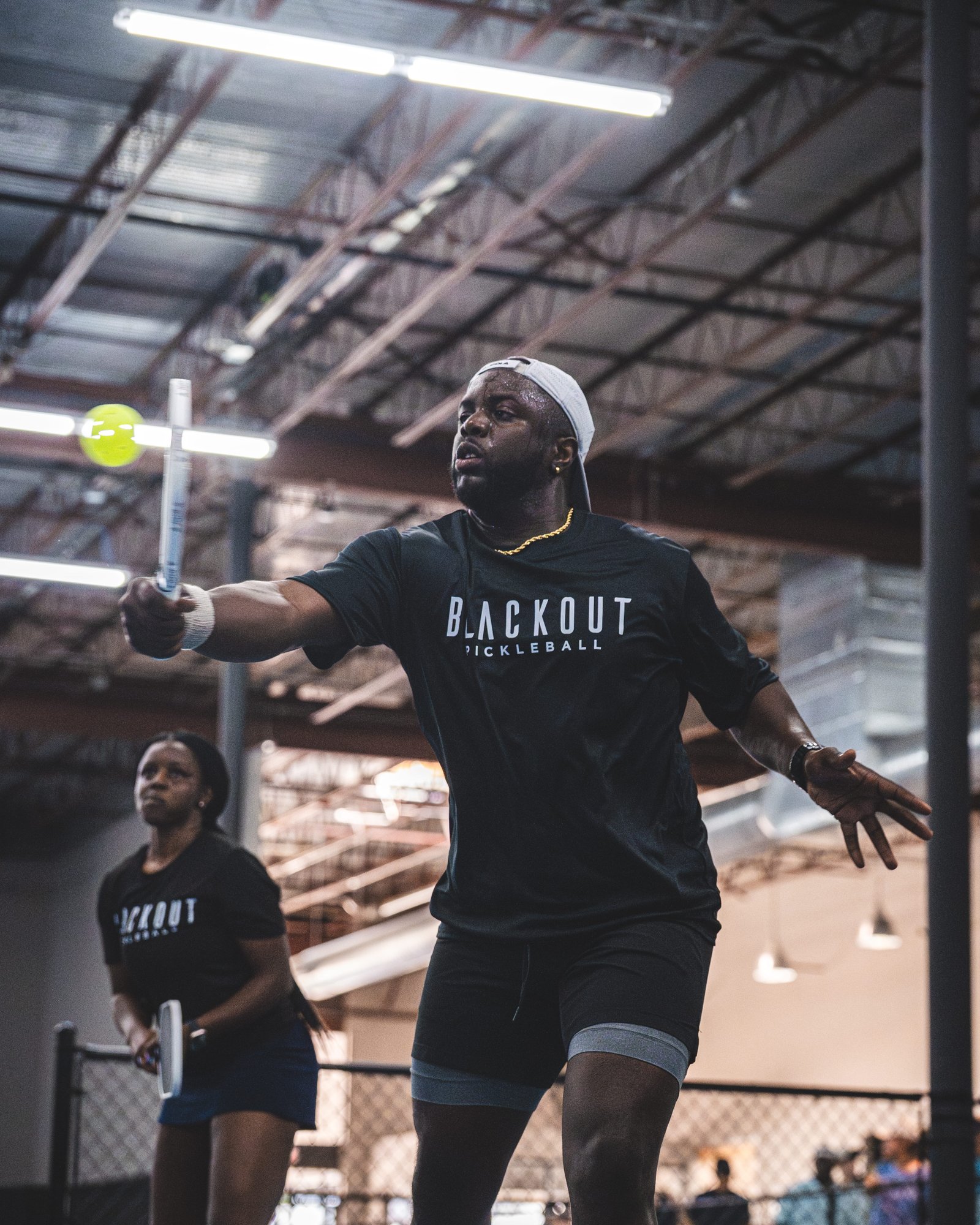
The social fabric of Era centers: leagues, clubs, and community
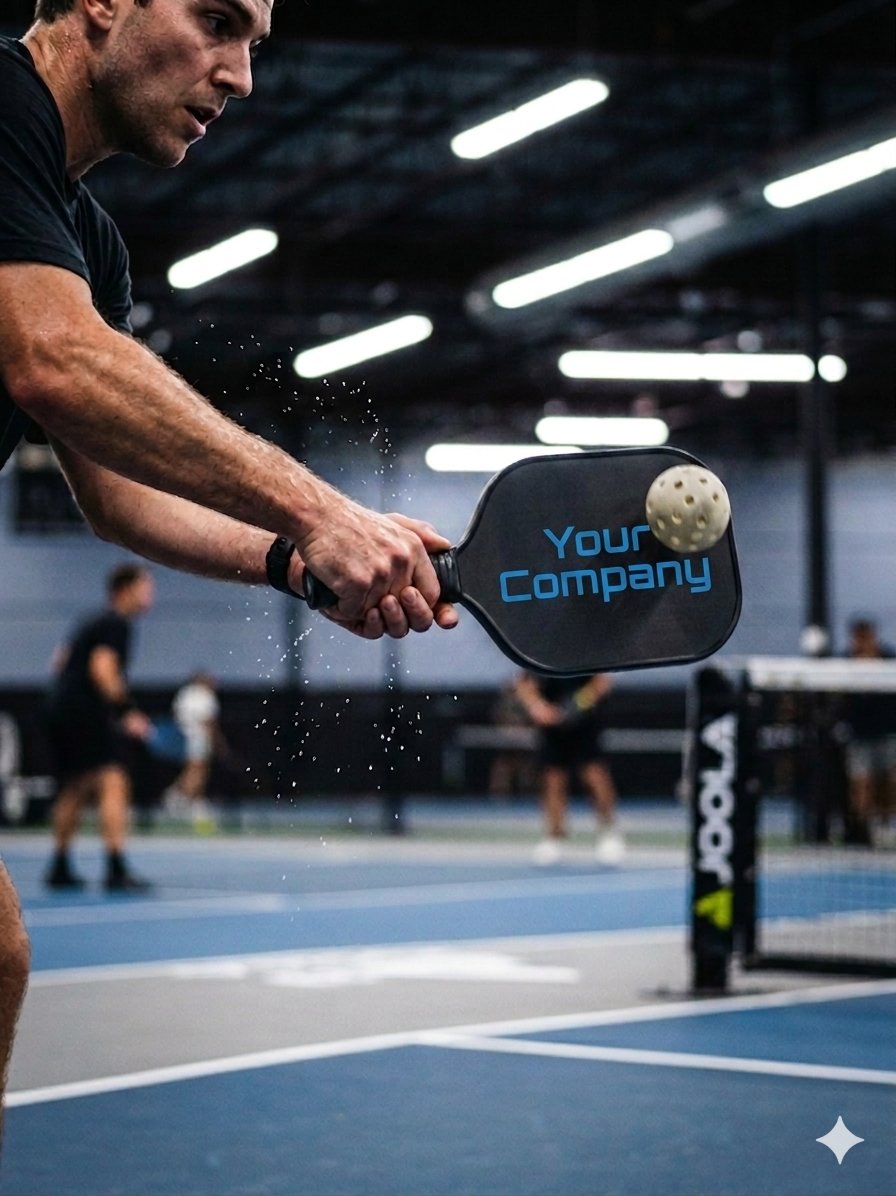
A core strength of Era Pickleball Centers is the social fabric that forms around the courts. Leagues provide a natural laddered progression that can be especially rewarding for players who crave a bit of competitive texture without the intensity of a tournament grind. The leagues encourage regular participation and offer a reliable pulse on the local pickleball scene. If you are looking to meet players with similar skill levels and competitive appetite, joining a league through Era centers is a straightforward way to do it.
The pickleball club experience is another pillar. It creates a recurring touchpoint for players who want to maximize court time, share coaching tips, and organize social play outside of formal sessions. In my experience, the club atmosphere helps beginners see the longer arc of their development. It also gives seasoned players a way to mentor others, which in turn accelerates everyone’s growth. The club culture tends to be supportive, focusing on inclusive competition rather than exclusive elitism, which makes showing up to practice feel less like a test and more like a shared pursuit.
Family friendly and multi generational appeal
Indoor pickleball at Era centers is not just for adults with a competitive streak. It has become a family sport in many households. The centers accommodate different ages and abilities by offering kid friendly clinics and parent child play sessions. My own family schedule benefitted from weekend slots that allowed grandparents to watch while their grandchildren learned new techniques on a court that feels safe and encouraging. The ability to share a sport across generations is part of what makes the Era experience sustainable over time. It is a healthy habit that can grow with you, not a fad you outgrow.
How indoor play shapes the off court lifestyle
The benefits of consistent indoor pickleball extend beyond the court. Regular sessions translate into better overall cardiovascular health, improved hand eye coordination, and a surprisingly sharp cognitive edge on decision making under pressure. Players often report better balance, quicker reaction times, and improved focus during other daily tasks. The social component is equally valuable; the regular contact with other players helps create a network of peers who share a common interest, making the gym feel like a second home rather than a random workout space.
To put some texture on that, one summer I found myself juggling several responsibilities at work and at home, and it was the regular indoor play that offered a reliable outlet—an hour or two where I could reset, recalibrate, and return to the rest of my day with a steadier tempo. It wasn’t about chasing a win in a single match; it was about preserving a certain level of personal energy and focus that seeped into how I approached tasks at work and time with family. That kind of ripple effect is common among Era players who keep showing up week after week.
What a new visitor should know before their first session
If you are curious about Era Pickleball Centers and wondering how to approach your first visit, here are a few practical pointers that come from real world play:
- Arrive early to observe the rhythm of the center. Watching a few games before signing up for a court time helps you understand pace, keepers of the kitchen etiquette, and how other players manage their time on the court.
- Bring comfortable apparel and grip friendly shoes. You do not need the most expensive gear to get started, but having shoes that support quick lateral movement will save your ankles during long sessions.
- Start with a light practice plan. Don’t try to conquer your entire game in one session. Focus on one or two fundamentals, like consistent returns or controlled dinks, and let your confidence build around those elements.
- Don’t fear the loss. In the early days you will lose games, and that’s part of the learning curve. Treat each session as a data point, a chance to notice what works and what doesn’t, rather than a verdict on your potential.
- Engage with the staff. The era centers’ staff can map your development path. Whether you want to join a clinic, try a league, or simply reserve court time, a quick chat can set you on a productive course.
A few moments of reflection on the indoor advantage
There is a tangible advantage to training indoors that goes beyond the absence of wind and rain. Indoor environments provide consistent ball bounce, a controlled temperature that reduces fatigue, and a predictable lighting setup that helps with tracking the ball in the air and identifying spin. The net height remains standard, but the way the ball interacts with the court surface can feel different depending on the time of day and the humidity inside the facility. The best players adapt quickly to these fluctuations, adjusting paddle angles and body position to maintain control. In that sense, Era centers act as a calibration lab for your game, a place to refine your touch and sharpen your reactions under the kind of controlled conditions that mirror high level competition without the overhead of a formal tournament.
A word about the value proposition
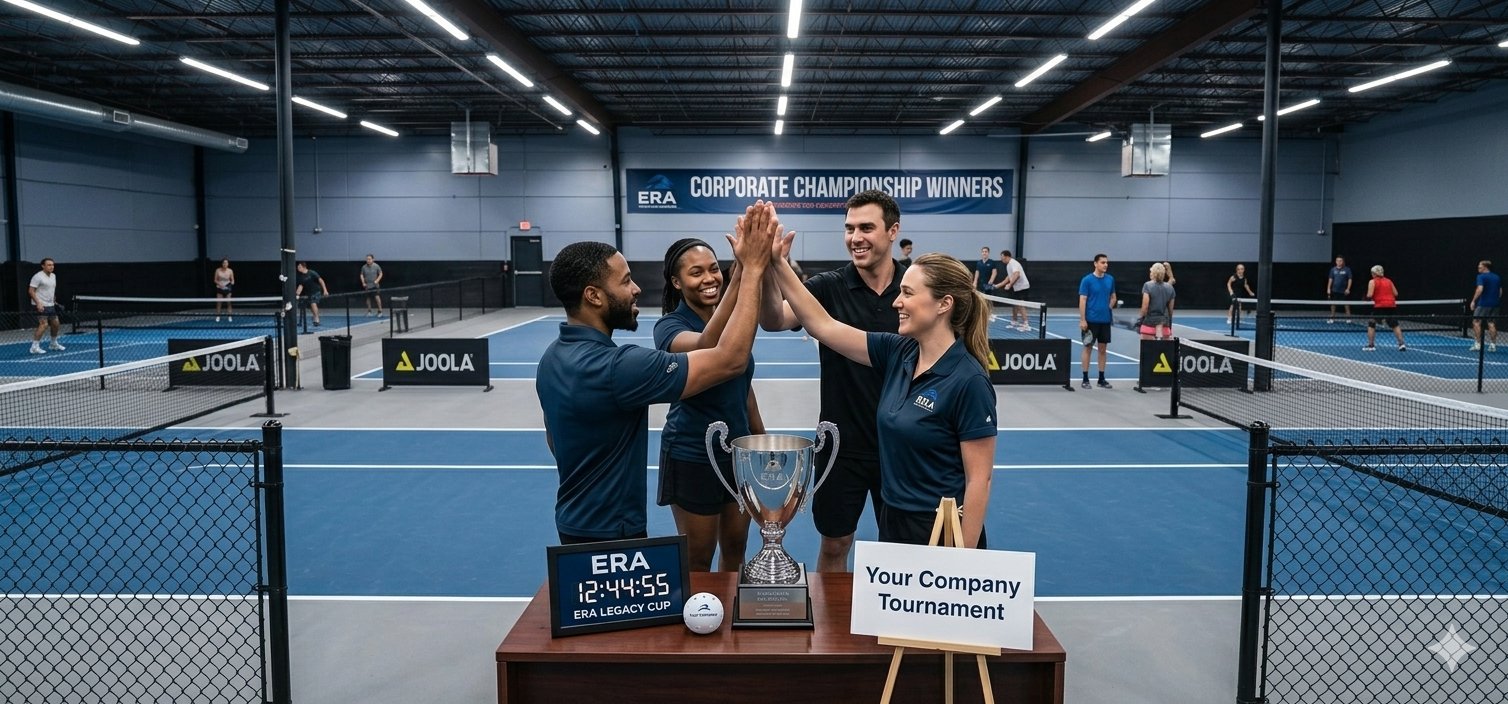
If you are evaluating whether to join Era Pickleball Centers, the answer in my experience comes down to balance. The investment in membership, court time, coaching, and community translates into a durable return. You are not merely paying for space; you are buying ongoing access to a system that nudges your development forward in incremental, meaningful ways. The cost is meaningful, of course, and it should be weighed against other leisure priorities. Yet the true value often emerges as you realize how much more consistent your practice becomes when you have a reliable home base where you can play without weather interruptions and with access to coaching and social channels that keep you motivated.
The long arc of a season at Era centers often reveals a pattern: beginners learn quickly, sticks with a few simple improvements for a few weeks, and then begin layering more advanced tactics into their game. A year later, you can surprise yourself with how much your reflexes have sharpened and how much your court sense has matured. The journey does not require a meteoric ascent; steady, sustainable progress can produce a game that feels both reliable and satisfying.
Two guiding principles from my own journey
There are two ideas I keep returning to whenever I step onto an Era court and see a crowd gathering for a weekend session. First, approach every rally with a plan that revolves around placement, not power. Power is plenty of fun, but in the longer rallies it is accuracy that wins. Second, protect your paddle in the kitchen with deliberate footwork. It is easy to forget about footwork when the adrenaline is high, but the best players maintain a light stance and keep their weight centered so their hands stay ready to react.
These principles do not replace practice; they illuminate how to practice most efficiently within the Era environment. The combination of indoor stability and a growth minded staff creates a natural point of leverage for players who want to level up without draining themselves in pursuit of results that may come too quickly or too slowly for their tastes.
A closing note on choosing your path
Deciding to invest in indoor pickleball at Era Pickleball Centers ultimately comes down to alignment with your personal goals. If you want a casual, friendly scene that makes it easy to meet people and pick up a paddle when you read more have a few hours, Era can deliver that atmosphere with ease. If you are aiming for a more competitive, scheduled trajectory with clinics and leagues to structure your week, Era provides those pathways without forcing you into a single fixed plan. The spaces are inclusive, but they are also designed to push you toward consistent practice and incremental improvement.
Over the years I have seen players join with disparate motivations, and many of them find their fit within the Era ecosystem. Some come for the social aspect, some for the competition, and others for the sheer joy of moving again after a long day at a desk. What unites them is the shared understanding that indoor pickleball at Era Pickleball Centers is more than rackets and nets. It is a social ritual, a steady workout, and a platform for learning that respects both the sport’s tradition and its evolving potential.
If you are curious about trying Era Pickleball Centers for the first time, my advice is simple: give yourself permission to start small and let the experience grow with you. No matter where you are on the spectrum, there is a place for you on the courts. The indoor environment is forgiving enough to allow beginners to discover the sport’s rhythm while robust enough to sustain the interest of players who want to chase sharper, more precise play. It is a space built for ongoing play, for people who choose to show up not merely to win, but to learn and to connect.
In the end, the value of indoor pickleball at Era centers isn’t written in a single number or a single trophy. It is the sum of small moments: a perfectly placed drop shot that wins a tight rally, a partner’s congratulatory grin after a well executed return, the shared plan formed between players as they switch sides and reset. It is the sense that you belong to a community that believes in steady practice, in patience at the kitchen, and in the idea that a sport you love can become a meaningful part of your life instead of a fleeting hobby.
If you want a straightforward invitation to probe deeper, consider this: Era Pickleball Centers provide a platform where you can grow, not just play. The environment invites you to test new techniques, to learn from coaches who have walked the same path you are walking, and to enjoy the very human experience of progress measured not by a single point but by a season’s worth of little improvements. That is the heart of indoor pickleball at Era, a simple proposition that leaves a lasting impression.