Pickleball Academy Era Pickleball: Growth Pathways
The first time I walked into Era Pickleball, it wasn’t the gleaming glass and perfectly painted courts that grabbed me. It was the cadence of a weekday morning—the soft thud of paddles, the quick chatter of players who knew each other by name, the steady rhythm of a well-organized schedule. An academy takes more than space to grow. It needs structure that breathes, a community that feels both intimate and scalable, and a plan that translates practice into performance. Era Pickleball has built that balance by leaning into growth pathways that start with what you teach and extend to how you create opportunities for players of every age and ability to engage, improve, and belong.
This is not a manual for a single season. It’s a map for a multi-year arc, where each milestone builds on the last. The growth pathways you see at Era Pickleball are not abstract concepts written on whiteboards. They’re lived realities: a curriculum that evolves with the sport, a campus layout that invites spontaneous play and structured training, and a business model that aligns incentives for coaches, players, and partners alike.
Foundations that hold and grow
A pickleball academy thrives on two things that rarely appear on glossy brochures: clarity and consistency. Clarity means every member, from a fourth grader to a seasoned veteran, knows what the academy aims to produce and how the path to that outcome unfolds. Consistency means that the daily routines expected from students and coaches are embedded in the culture. When I spent time at Era Pickleball, the most telling feature wasn’t the brand colors or the polished rental desks. It was the way the staff greeted players at the door, the uniformity of a warm-up that every class started with, and the way instructors were empowered to adapt drills on the fly without losing the thread of the lesson.
Curriculum design sits at the heart of this. A strong academy translates the dynamic, improvisational nature of pickleball into a structured learning journey. It begins with fundamentals—grip, stance, paddle control, and shot selection—but it doesn’t stall there. It threads these basics through tactical decision making, pressure handling, and, crucially, match management. You want players who can read a court, anticipate a rally, and adjust to an opponent’s style in real time. That requires content that compounds. Week by week, the drills get a touch more complex, the scoring scenarios grow more nuanced, and the feedback loop between coach and student tightens.
The Era Pickleball approach keeps the learning experience human and practical. It avoids the trap of chasing the newest drill just because it’s fashionable. Instead, it leans on what works with real players in real gyms. The staff uses video review, but not for showmanship. The goal is to reveal a pattern a player can apply in actual games. A forehand drive becomes a decision point, a drop shot a risk-reward calculation. The most satisfying moment is when a student who once struggled with short balls suddenly finds confidence in controlling the net and dictating the point.
Growth anchored in community
A strong academy also anchors growth in community. Pickleball invites social energy as much as competitive energy. Era Pickleball recognizes that a center is a social hub, not just a training facility. The conversations that happen in the lobby before and after lessons are not casual filler; they seed referrals, cross-pollination between programs, and the kind of word-of-mouth that money cannot buy. Community is the amplifier for everything the academy does. When players feel seen, when families observe their kids turning a corner, they become ambassadors, bringing in friends and scheduling repeat visits for casual play.
That social fabric is reinforced by programming that accommodates a wide spectrum of needs. For families with kids, the academy offers after-school clinics, weekend camps, and school partnerships. For adult players, there are drill sessions focused on adapting to aging bodies, fitness-oriented classes that still honor technique, and weekend round-robins that keep the social thread intact. For competitive players, there are ladder systems, team-based scrimmages, and performance analytics that translate practice into measurable improvement. The beauty of a well-run center is how these elements reinforce one another rather than competing for attention.
Physical footprint and layout that encourage growth
The physical footprint matters as much as the curriculum. A well-designed campus acts as a stage for learning and a magnet for repeated visits. At Era Pickleball, the court layout is not merely a matter of capacity; it’s a deliberate invitation to participation. There are multiple courts that can be configured for singles, doubles, or mixed formats, and the surface quality is consistent across the space. The center makes a deliberate distinction between practice courts and public courts. The practice courts are kept pristine and quiet enough for coaching, while the public courts offer a more relaxed tempo where players can socialize and experiment. This separation helps manage different energy levels and keeps the learning environment productive without dampening the fun.
Storage and flow matter, too. A cluttered space drains time and focus. Era Pickleball keeps gear organized, with labeled bins and a streamlined check-in process. The staff use a simple flow: arrive, warm up, participate in the scheduled session, stretch, then recover with a light social or match play period. The result is a campus that feels both welcoming and efficient, a rare combination in a sport that often leans toward chaotic energy in busy hours.
Programs that scale with ownership
Scaling a pickleball academy means more than adding courts. It means growing ownership at every level, from front desk to head coach. The leadership team in an academy like Era Pickleball models ownership by setting clear expectations, offering professional development, and creating a decision-making culture that respects both data and human judgment. Coaches are not just instructors; they are mentors who guide players through milestones. They receive ongoing training in pedagogy, performance analysis, and injury prevention. They also have room to innovate within the curriculum, proposing new drills or formats that fit the evolving needs of their students.
Partnerships play a critical role. A center can multiply impact by linking with schools, local clubs, and community organizations. These partnerships provide a pipeline for new participants and a platform for shared resources. They also spread the risk associated with growth across multiple channels, reducing dependence on a single revenue stream while broadening the center’s influence in the local sports ecosystem.
Two clear growth pathways emerge when you look at Era Pickleball through the lens of programming and partnerships. The first is developmental programming designed for beginners and intermediates. The second is performance programming for advanced players who want to compete or train at a higher tempo. Each pathway uses similar pedagogical principles but tailors the pacing, metrics, and social incentives to different audiences.
Developmental programming that builds a broad base
A developmental track creates a wide funnel of participants who become lifelong advocates. The objective is to convert curiosity into habit and habit into skill. This begins with accessible entry points: low-pressure clinics, family-friendly sessions, and drop-in play that still includes elements of coaching. A robust entry point reduces the friction of trying pickleball for the first time, which is crucial because many people are drawn to the sport by social energy more than a single desire to become better players.
From there, the curriculum is designed to retain interest. Short-term goals— mastering the serve return, improving rally consistency, or learning to read the opponent—are paired with longer-term milestones that give players something to chase. Regular progress checks, friendly competitions, and small group formats help preserve motivation. The key is to be relentlessly practical: show up, learn, play, and leave with a tangible improvement. Parents appreciate when kids see a direct line from practice to a real improvement in schoolyard or park games.
Average players can progress to more structured formats without feeling boxed in. That means a clear path from beginners through intermediate clinics to more challenging drills and match play, all within a supportive culture. It’s not about pushing people to the edge of capability in a single session, but about sustaining momentum over months. The academy benefits from a plentiful supply of participants who stay engaged long enough to form meaningful routines, return visits, and positive referrals.
Performance programming that fits a competitive itch
For players who crave challenge, the academy offers performance-oriented tracks. These are not simply more drills; they are curated experiences that blend on-court practice with strategic thinking, analytics, and mental preparation. The objective is to prepare players for competition in a way that respects their individual rhythms. Some athletes respond to rapid-fire technical drills; others flourish when drills are designed to mirror pressure points they encounter in tournaments.
Analytics play a larger role here. Video feedback, shot-tracking, and patterns of play help players understand not just what they’re doing, but why it works or fails against certain styles. The real value comes when players can translate insights into concrete plan changes in their next match. Coaches become tactical partners, helping players choose when to attack, defend, or reset based on the flow of the rally.
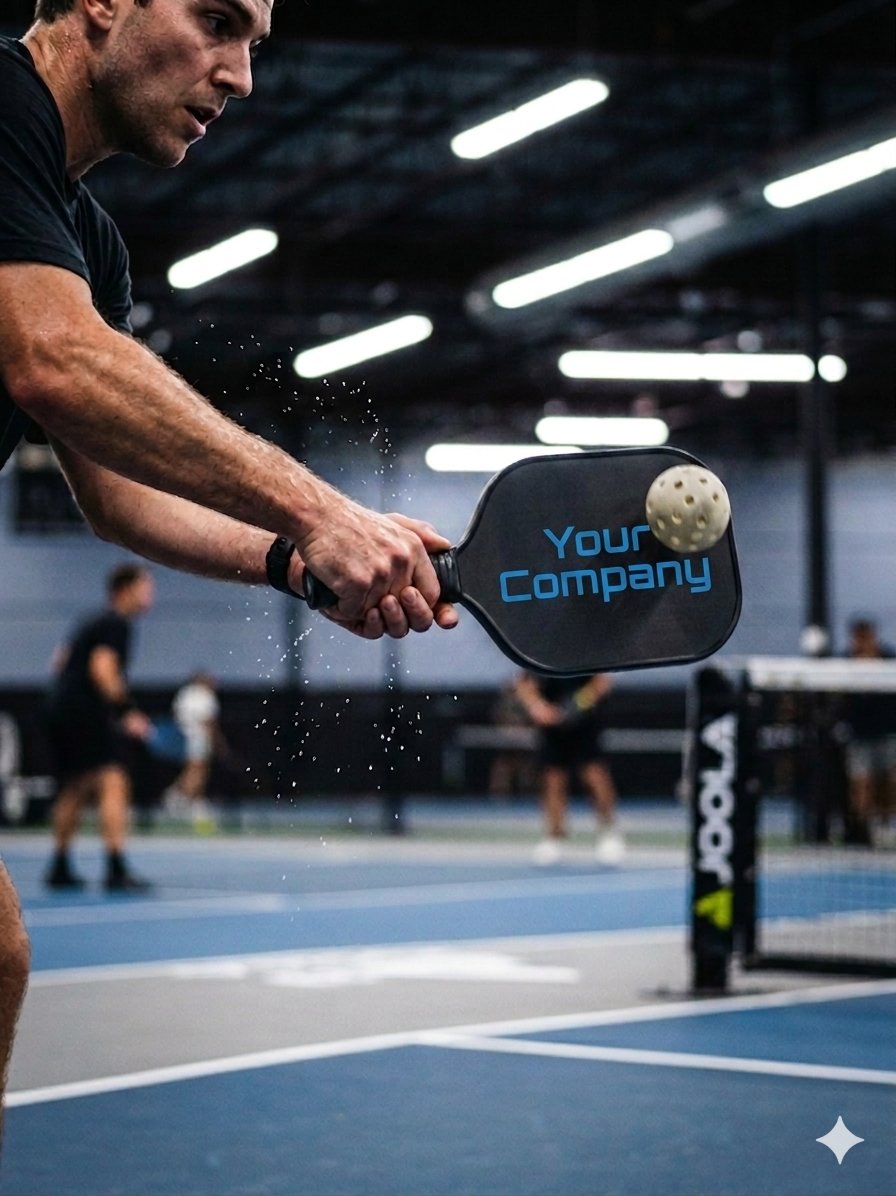
This pathway also folds in conditioning, footwork, and mobility training. It is not enough to be technically proficient if a player cannot sustain the rally or recover quickly between points. The ecosystem supports this through partnerships with local fitness professionals and physical therapists who can contribute specialized sessions on injury prevention and rehabilitation. The result is a holistic program that respects the athlete’s total experience of the sport, not just the immediate skill set.
Facility as a story of seasons
Seasonality influences every decision, from class scheduling to marketing pushes. An era of growth in a pickleball academy is rarely linear. Some quarters bring a rush of new members around a community event or school partnership. Others demand more attention to retention, as the novelty of the sport wears off for some participants. The best operators anticipate this by weaving seasonality into the cadence of programming.
In practice, this translates into dynamic scheduling. For instance, summer can be prime time for camps and family clinics, while autumn might emphasize competitive tryouts and performance clinics aligned with school calendars. Winter can be a period of skill consolidation and tactical play, with indoor formats designed to keep players engaged when outdoor play is less feasible. The center’s operations reflect this tempo, not with lavish promises, but with dependable routines that players can count on.
The economics of growth are rarely mysterious
A successful pickleball academy must balance ambition with practicality. The economics of growth revolve around three forces: predictable revenue streams, disciplined cost management, and a culture that converts activity into loyalty. A center like Era Pickleball stabilizes revenue through a mix of memberships, class fees, court rentals, and special events. The cake is larger when you diversify carefully rather than chasing a single big hit. Court rental, for example, can underpin off-peak hours and drive recurring traffic for casual players who might later convert to members.
There is a delicate relationship between price and value. Pricing must reflect the quality of coaching, facility standards, and the social value the center provides. It’s not about chasing the lowest price in town but about communicating the precise value of professional instruction, dependable court availability, and a welcoming community. The most effective pricing strategies are transparent and predictable, with clear terms for cancellations and makeups. When people sense fairness, they are more willing to invest in long-term participation.
Operational discipline matters as much as charm. Scheduling software that minimizes wait times, a front desk that can answer questions with confidence, and a coaching team that shows up prepared all contribute to a frictionless experience. These elements may not be glamorous, but they are the difference between a gym that feels like a grind and a center that feels like a trusted home for players.
Risk, resilience, and edge cases
Growth pathways are often framed as bright horizons, but the road has its potholes. A center that grows too quickly risks overextending staff, diluting culture, or underinvesting in maintenance. The wise operator monitors utilization rates, participant satisfaction, and wait times. They listen for early signs of friction—emails that go unanswered, repeated scheduling conflicts, or a drop in class attendance—and respond with targeted tweaks rather than broad overhauls.
Edge cases reveal themselves in unexpected ways. A single injury wave among a pickleball courts near me key coaching staff can disrupt a program’s continuity. A sudden influx of new families requires more beginner-friendly formats than the current calendar supports. A park district grant changes the funding landscape just enough to shift strategic priorities. The most durable growth plan anticipates these possibilities with flexible staffing ladders, modular programming, and a tilt toward scalable systems rather than bespoke, one-off events.
Staff development as a growth engine
Coaches are the engine of a pickleball academy. Their evolution fuels the entire institution. Era Pickleball invests in ongoing professional development that extends beyond the X’s and O’s of pickleball technique. It includes pedagogy, inclusive teaching practices, and the art of running a class when energy is uneven. A coach who can adjust to the mood of a room, who can translate a complicated drill into accessible steps, or who can interject a moment of levity without breaking focus is a coach who helps a center sustain momentum.
Mentorship programs pair newer staff with veterans, accelerating knowledge transfer and preserving the academy’s cultural DNA. Structured feedback loops, with observation rounds and constructive critique, maintain quality while allowing coaches to experiment. The right coaching climate recognizes that improvement is a shared journey; it invites questions, values curiosity, and treats mistakes as opportunities to refine practice.
The role of court rental in the ecosystem
Court rental is not simply a revenue line. It is a cultivation channel. When a center sets aside blocks of court time for casual play or for open clinics, it invites players who might not yet identify as serious students to enter the ecosystem. Those players can become core participants as they discover what the academy offers and as they witness tangible improvements in their own games. The rental model, thoughtfully integrated with programming, creates a natural path from discovery to commitment.
In Era Pickleball, court rental is more than an economic lever; it is a social infrastructure. It allows families to weave pickleball into their weekly routines, supports birthday parties and special events, and gives independent groups a space to train. A well-managed rental operation respects players’ time, preserves court quality, and coordinates with the academy’s instructional schedule to prevent scheduling conflicts and maintain a high standard of experience across all touchpoints.
Storytelling that matters
People join places they feel confident about and stay because they feel known. The most enduring growth stories in pickleball academies come from the ordinary moments that accumulate into a narrative of improvement. A player who finally executes a confident soft touch at the net after months of practice, or a beginner who learns to rally longer than a minute with a friend, becomes a testimonial not just about skill but about belonging. The marketing story that emerges from these moments is not hype but authenticity. When Era Pickleball shares these micro-stories with the community, it creates a sense of shared progress.
This storytelling is best when it balances ambition with humility. The center communicates goals and outcomes without promising miracles. It celebrates small wins publicly and handles setbacks with candor. For families watching a child grow, honest progress reports built into regular progress sessions are priceless. They transform a center from a place to play into a place to grow.
Two practical roadmaps for growth
There are two concrete roadmaps that have proven effective in practice, especially in a center that aspires to be a regional anchor for pickleball.
First, a structured beginner to intermediate ladder. The ladder gives participants a clear sense of progression, aligns coaching with learning milestones, and creates recurring social incentives to stay engaged. It starts with a welcome session, moves into a four-week foundation block, then transitions to a six-week routine focused on rallying and court positioning, and finally feeds into a quarterly tournament with friendly scoring and feedback. The ladder keeps motivation high because players observe tangible improvement and have a defined reason to return.
Second, a school and community partnership track. This pathway privileges accessibility and routine. Schools bring in a steady stream of younger players who may not yet have a voice in the local sporting landscape. The academy collaborates with physical education teachers to introduce short, skill-based clinics that fit inside PE schedules and extend into after-school clubs. The long-term payoff is a pipeline of motivated students who then become part of the academy’s broader development program as they advance in age. This track also cultivates trust within the wider community, which helps the center weather market fluctuations and seasonal downturns.
A note on realism and purpose
Growth without purpose can become noise. A center that grows too big too fast risks losing the quiet confidence that makes a good academy special. Era Pickleball has avoided this trap by protecting the quality of coaching, maintaining high court standards, and preserving the human dimension of the community. Growth here is purposeful, not merely expansive. It’s measured by how many players move into higher levels of play, how many families keep returning year after year, and how well the campus can adapt to a wider variety of players without sliding the overall experience.
The human element remains the north star. The people who walk through the door, the way they are greeted, the chances they are given to try, fail, and try again—these are the signals of a growing academy that plans for longevity. The knowledge embedded in a well-run center is not just about mechanics of the sport—it is about the rhythm of daily life around the sport. If you can design a system that respects the pace at which players learn, you can build something that outlives fads and remains relevant in a changing sport landscape.
A closing thought from the trenches
From the first day Era Pickleball opened its doors, the underlying instinct was simple: give players something they can feel and measure. A good academy delivers more than technique; it curates a way for people to connect over a shared pursuit, to push past fear of failure, and to find joy in incremental progress. The growth pathways discussed here are not a blueprint that guarantees success. They are a vocabulary for what it means to scale a community around a sport that rewards practice, patience, and collaboration.
If you are considering building or reimagining a pickleball academy, study your space with the same respect that a coach gives to a rally. Look at your courts, your schedule, your coaching roster, and your partnerships as a living system. Ask questions about what each decision gives your players in terms of clarity, accessibility, and opportunity. Keep what works, revise what hampers progress, and never forget that the center exists for people who want to play—and for those who want to get better at playing together.
A final reflection on growth pathways is this: growth should feel musical. It should have a tempo that players can anticipate, a chorus of routines that reinforce skill, and a bridge that leads to new formats and new communities. Era Pickleball demonstrates that when you respect rhythm, you create space for both the beginner who just discovered the sport and the athlete who seeks to master its edges. The result is a center that not only lends itself to the sport’s expansion but also cultivates a durable culture around it. That is growth with depth, growth that endures. And it is the kind of growth that turns a pickleball academy into a lasting chapter in a player’s life story.